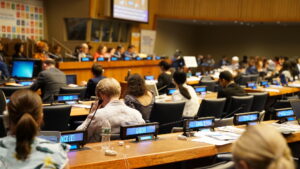
High-Level Political Forum 2020 under the Auspices of ECOSOC
The meeting of the high-level political forum on sustainable development in 2020 will be held from Tuesday, 7 July, to Thursday, 16 July 2020, under the auspices of the Economic and Social


The meeting of the high-level political forum on sustainable development in 2020 will be held from Tuesday, 7 July, to Thursday, 16 July 2020, under the auspices of the Economic and Social
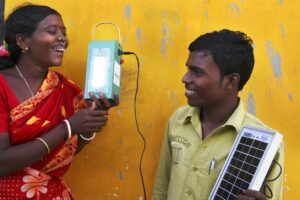
To meet the Sustainable Development Goals (SDGs) targets by 2030, countries must safeguard the gains already attained and accelerate efforts to achieve affordable, reliable, sustainable and modern energy for all.
COVID-19 is causing unprecedented disruptions around the world, with healthcare systems struggling and billions of people relying on electricity while confined to their homes.
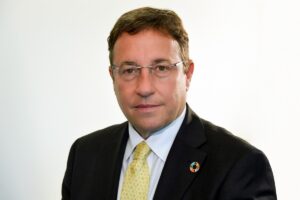
Today, as the International Monetary Fund (IMF)/World Bank Spring Meetings close, UNDP commends the decisions of the IMF, the World Bank Group, and the G20 to immediately suspend debt service payments of 76 countries for one year, including 40 countries in Sub-Saharan Africa.
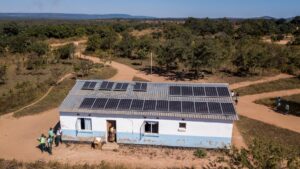
As the coronavirus COVID-19 gains ground in the world’s poorest regions, it will hit the most vulnerable the hardest by adding an unprecedented health and economic crisis to existing poverty and climate crises.
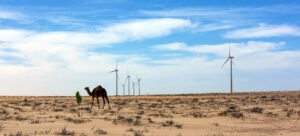
The new report, Global Trends in Renewable Energy Investment 2020, is a collaboration between the UN Environment Programme (UNEP), Frankfurt School-UNEP Collaborating Centre, and energy financing company, BloombergNEF.
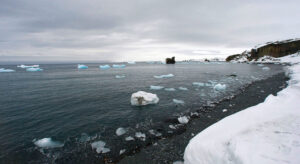
“The WMO is seeking to verify reports of a new temperature record north of the Arctic circle”, WMO spokesperson Clare Nullis told journalists in Geneva. “It was reported in the Russian town of Verkhoyansk amid a prolonged Siberian heatwave and increase in wildfire activity.”

UN chief António Guterres is calling for greater unity and solidarity to defeat COVID-19 and build a better world in the wake of the global pandemic.

Transforming the transport sector to be more environmentally-friendly in the aftermath of the COVID-19 pandemic, could create up to 15 million new jobs worldwide and help countries move to greener, healthier economies, according to a UN-backed report published on Tuesday.
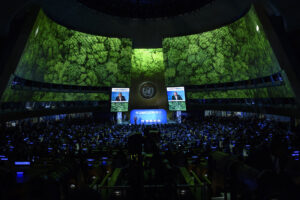
As large parts of the world hunker down and social distance to slow the spread of the coronavirus pandemic, more and more research is being released and studied.
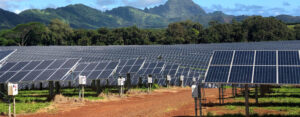
The US island state of Hawaii has committed to generating 100 per cent of its power using renewable energy by 2045, demonstrating to other US states and island communities across the world, that sustainable energy can be a reality.

Published annually, the Tracking SDG7: The Energy Progress Report provides the most comprehensive look available at the world’s progress towards global energy targets on access to electricity, clean cooking, renewable energy and energy efficiency.
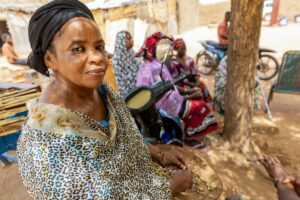
The first COVID-19 deaths last month in Niger, a landlocked country that ranks 189th on the Human Development Index, marked a new milestone in the coronavirus COVID-19 crisis. A pandemic that spread in a matter of weeks across some of the world’s major advanced and emerging economies, bringing untold human suffering, is now hitting some of the world’s poorest and most fragile, and it could hit them hard.
The United Nations Environment Programme (UNEP) stands in solidarity with the billions of people around the world that are suffering the impact of the global pandemic of COVID-19.
We extend our heartfelt gratitude to millions of healthcare professionals and members of the UN family including the World Health Organization (WHO) that are working around the clock to protect us as we face humanity’s biggest crisis since World War II.

The decision was announced on Wednesday night by the advisory group to the COP26 talks, overseen by the UN climate change body, the UNFCCC, after talks involving the United Kingdom and