


Blog
Publication Date: July 25, 2012

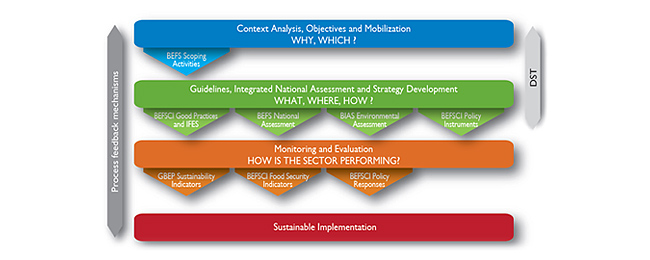
The rapid development of bioenergy, and in particular liquid biofuels, has generated considerable debate regarding their sustainability, and in particular the so-called "food versus fuel" competition. The links between bioenergy and food security are complex and multi-faceted. Making bioenergy development sustainable becomes even more challenging when one tries to capture its potential rural development, climate and energy security benefits. A sound and integrated approach is required in order to address these links and promote both "food and fuel", and ensure that bioenergy contributes to sustainable development. This approach requires:

  • An in-depth understanding of the situation and of the related opportunities and risks, as well as synergies and trade-offs;
  • An enabling policy and institutional environment, with sound and flexible policies and effective means to implement these;
  • Implementation of good practices by investors and producers in order to reduce risks and increase opportunities; and appropriate policy...



Author: Nigel G Bruce
Publication Date: May 18, 2012

The UN Secretary General’s campaign for energy access is rightly seen as a long overdue initiative with tremendous potential for global development because it can simultaneously address three of the most important issues for human security and welfare: economic development, climate change, and health. That is, so long as the right investment decisions are made in moving towards the ambitious target of universal access by 2030.

In the relatively short period since this initiative was launched, a great deal of attention has been given to the potential for economic development and climate mitigation (and especially the role of renewable energy), but relatively little to what is needed to ensure that the full health benefits are realised. In this dialogue, health needs to be on an equal footing with the other pillars of this enterprise - economic development, environment and climate – for three important reasons: the large health benefits that stand to be gained, the need to plan now for health in policy, and the added...