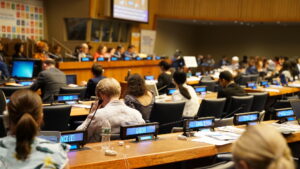
High-Level Political Forum 2020 under the Auspices of ECOSOC
The meeting of the high-level political forum on sustainable development in 2020 will be held from Tuesday, 7 July, to Thursday, 16 July 2020, under the auspices of the Economic and Social


The meeting of the high-level political forum on sustainable development in 2020 will be held from Tuesday, 7 July, to Thursday, 16 July 2020, under the auspices of the Economic and Social
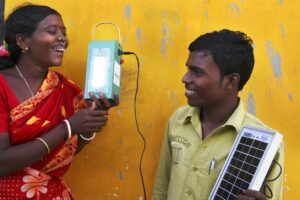
To meet the Sustainable Development Goals (SDGs) targets by 2030, countries must safeguard the gains already attained and accelerate efforts to achieve affordable, reliable, sustainable and modern energy for all.
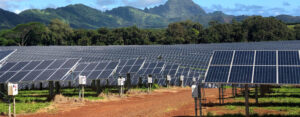
COVID-19 is causing unprecedented disruptions around the world, with healthcare systems struggling and billions of people relying on electricity while confined to their homes.
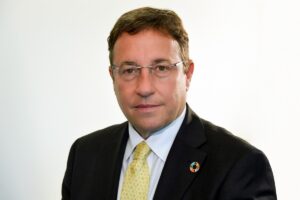
Today, as the International Monetary Fund (IMF)/World Bank Spring Meetings close, UNDP commends the decisions of the IMF, the World Bank Group, and the G20 to immediately suspend debt service payments of 76 countries for one year, including 40 countries in Sub-Saharan Africa.
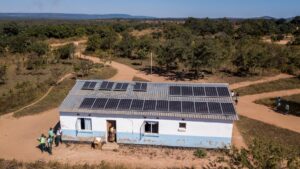
As the coronavirus COVID-19 gains ground in the world’s poorest regions, it will hit the most vulnerable the hardest by adding an unprecedented health and economic crisis to existing poverty and climate crises.
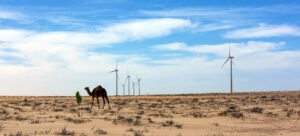
The new report, Global Trends in Renewable Energy Investment 2020, is a collaboration between the UN Environment Programme (UNEP), Frankfurt School-UNEP Collaborating Centre, and energy financing company, BloombergNEF.
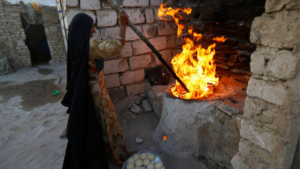
by Liu Zhenmin, Achim Steiner and Damilola Ogunbiyi | United Nations


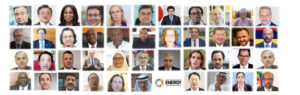
The virtual launch marks the start of the substantive preparatory process for the High-level Dialogue on Energy 2021.
Speakers noted that universal energy access will require efforts to expand the existing electric grid and develop mini-grids and off-grid options.
Speakers stressed that a just transition should incorporate social and economic considerations, with the principles of equity and leave no one behind as guides for the phase-out of fossil fuels and transition to new energy sources.
Most participants highlighted inclusivity as a major emphasis, with many suggesting that the recommendations should focus on the needs of women and the poor – those who are most disadvantaged by a lack of access to energy – and ensure their inclusion.
Participants at the Technical Working Group on Innovation, Technology, and Data discussed ways to radically change the energy system to reach net zero emissions by 2050 while leaving no one behind.
Carbon pricing; making upfront investment cheaper with a 0% tax rate for renewable energy equipment; crowdfunding to cover upfront costs will allow citizens to actively participate in the energy transition while also receiving a return on their investment.